Salamander
A Vulkan-based 3D rendering engine built with C++20
Project Overview
Salamander is a 3D rendering engine built with Vulkan using C++20. Developed as a university project for the Graphics Programming 2 course at Howest University, it demonstrates the capabilities of the Vulkan framework while adhering to modern design practices.
Modern Rendering
Deferred rendering pipeline with HDR and tone mapping for realistic lighting.
Advanced Lighting
Directional and omni lights with shadow mapping and Image-Based Lighting (IBL).
Optimization
Double buffering, depth prepass, and mipmap generation for improved performance.
Rendering Pipeline
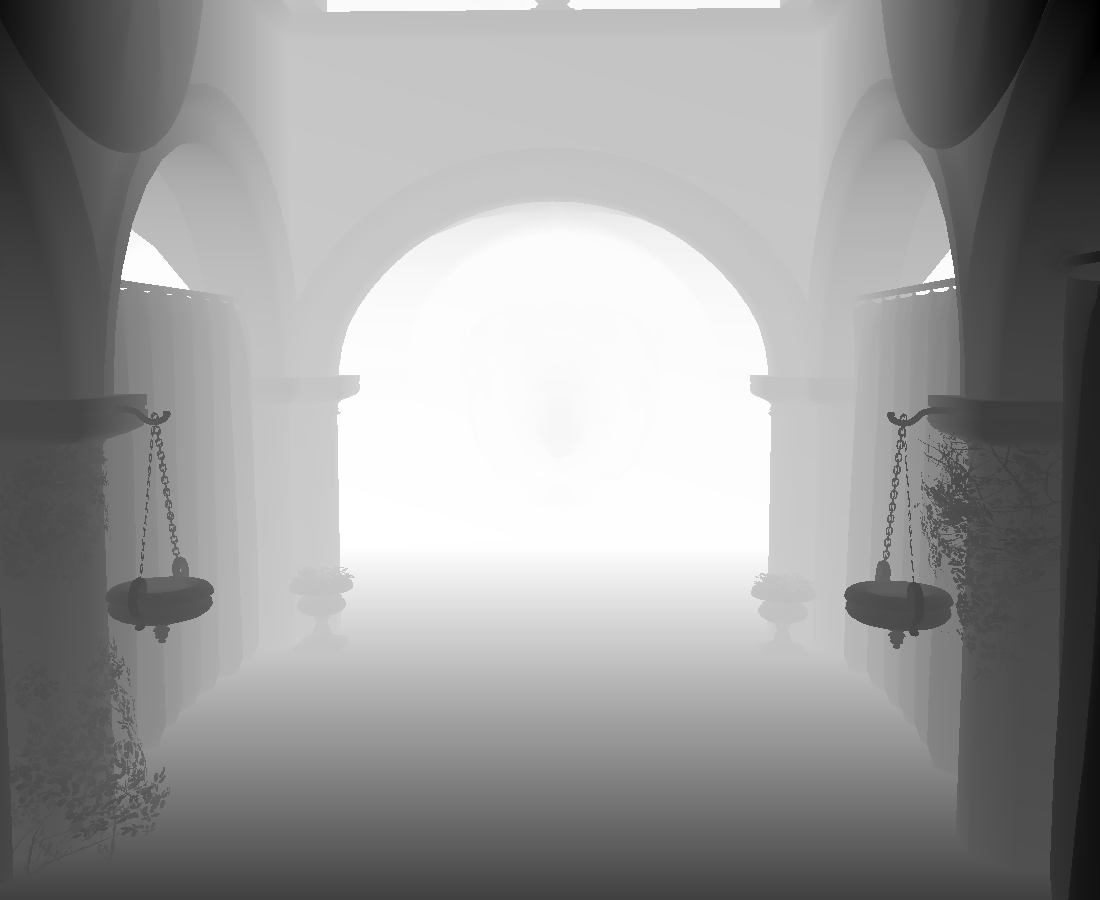
Automatic Camera Exposure
The engine features automatic exposure adjustment that dynamically adapts to scene brightness, simulating how a real camera or the human eye responds to changing light conditions.
The Salamander Journey
Development of Salamander started in February 2025 as a part of university course called Graphics Programming 2. It thought me a lot about how modern graphics APIs work and what it takes to render simple triangle on the GPU, as well as graphics techniques commonly used in rendering nowadays, such as HDR/tone mapping, IBL, shadow mapping. Later on I started expanding project myself. Proper refactoring, new graphics features as automatic camera exposure and etc.
Technical Challenges Overcome
- Vulkan's explicit memory management required careful handling of resources and layouts
- Debugging complex synchronization issues between rendering passes
- Implementing physically-based rendering with accurate material properties
- Optimizing shadow mapping techniques for directional lights
- Fixing bugs related to memory layouts, normals, and sampling methods
Despite these challenges, Salamander became not only a lesson to me, but a modern rendering platform, that will be expanded and maybe released one day.
Technical Highlights
Synchronization 2
Efficient resource management
Dynamic Rendering
Flexible pipeline creation
Vertex Pulling
GPU addresses for efficient geometry
Deferred Rendering
Complex lighting scenarios
Alpha Cutout
Complex material support
Mipmap Generation
Improved texture quality
Auto Exposure
Realistic light adaptation